

The relationship between work, health and rights
The reduction of work-related risks inherent to work and the protection of health and life are genuine rights of all workers.
Work, Health and Rights
The right to health is part of a group of rights that are considered fundamental. Fundamental rights are those directly related to the preservation and enhancement of human dignity, such as the right to life, freedom, equality, education, housing and work, among others that make up this group. They are also considered inseparable, because when access to one of them is fragile or non-existent, access to the others is put at risk.
It is known, both through research and everyday experience, that limited access to education, for example, tends to hinder entry into the labor market. A similar situation occurs when access to food, housing, work, and health care is denied or precarious. Thus, more than a value that should be incorporated into social life, these rights must be effective, that is, they must be real rights.
And, as true rights, they must also be present in the conditions and situations experienced daily by each individual and social group.
It's no coincidence that Article 7, item XXII of the Constitution of the Republic establishes the right of all workers to reduce the risks inherent in work, through health, hygiene and safety standards. As a result, all laws protecting health and life at work, as well as the Regulatory Norms of the Ministry of Labor and Employment, are applicable to workers on digital platforms.
If working is a fundamental right, the conditions and situations in which work activities are carried out must not jeopardize or prevent access to other fundamental rights, including the right to health, life and quality of life.
The Right to Health vs. the Precarization of Work on Platforms
There are well-known studies that show a link between long working hours and various forms of illness. The World Health Organization (WHO) and the World Labor Organization (ILO), when analyzing global data from 2016, found that long working hours are related to a higher incidence of deaths from strokes and heart disease, contributing to "one third of the total estimated burden of work-related diseases".
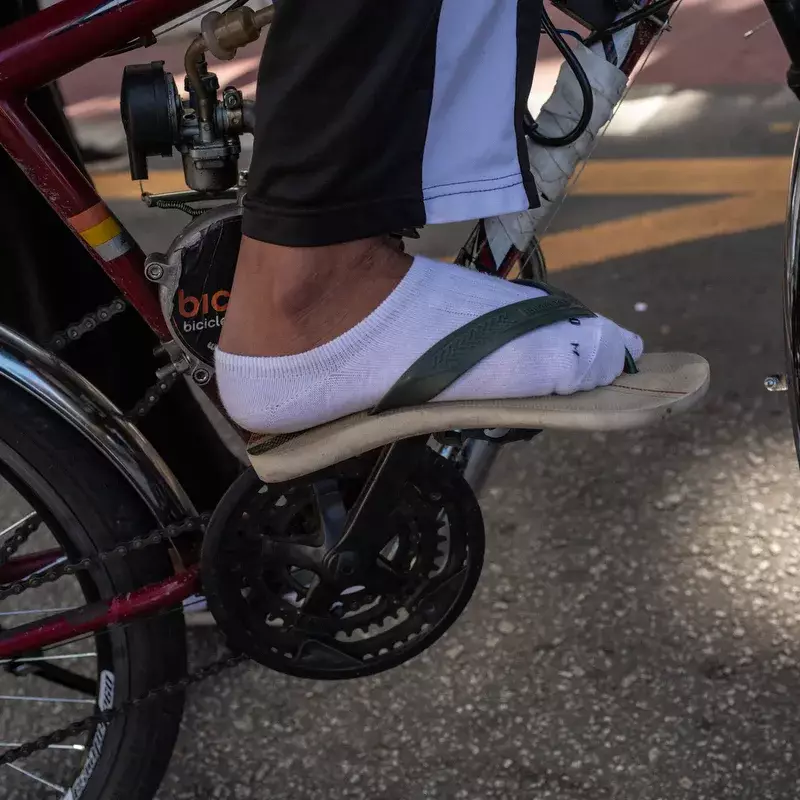
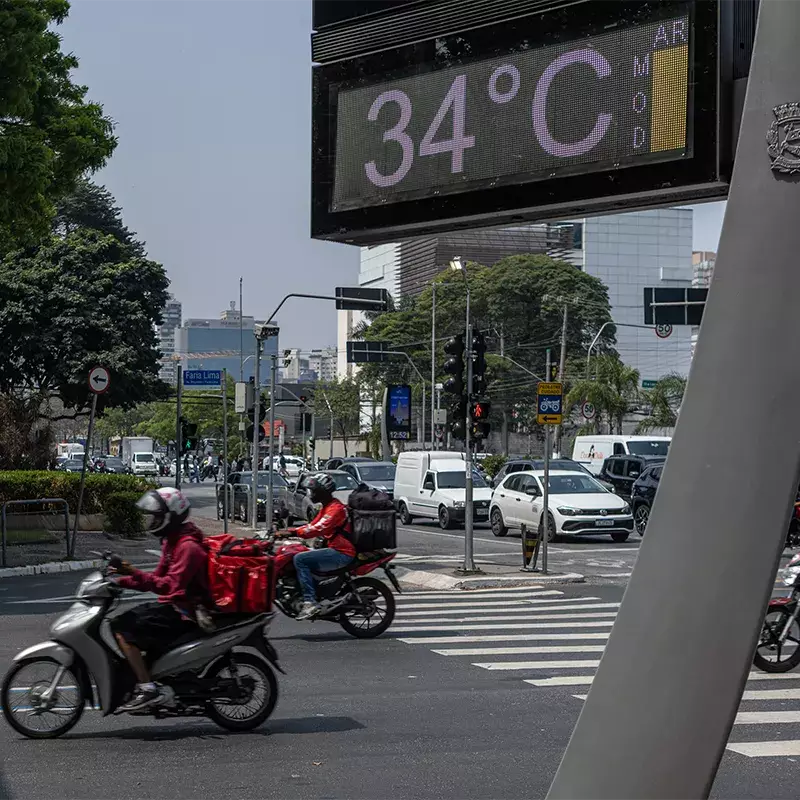
In addition to long working hours, a significant part of work on digital platforms is done outdoors, with exposure to environmental and climatic conditions that harm the body: high and low temperatures, rain, wind and humidity. Exposure to high temperatures for long periods, in addition to thermal discomfort, can cause changes in blood pressure, kidney problems, cancer, and also affect mental health.
Drivers and delivery workers do their work in the middle of traffic, which tends to have particular repercussions on their health. The long and exhausting working hours are carried out without the necessary access to rest areas and adequate food. The impossibility of accessing toilets has led to low fluid intake and dehydration of the body, as identified in a survey of motorcycle couriers in the city of Campinas, São Paulo.
In 2022, Fundacentro carried out a study assessing the use of trunks and backpacks by delivery workers. Among the 192 interviewees, 144 said they used a bag for reasons related to their work, such as preserving the integrity of the meals they were carrying. As well as being cheaper, backpacks are better at absorbing the jolts of the motorcycle and maintaining the temperature of the food. Trunks, on the other hand, although they separate the body from the weight being transported, protecting the worker's spine, are less suited to the rush that this type of work imposes on the worker on a daily basis, as they tie remuneration to the number of deliveries made.
Tensions related to the work activity, few hours of sleep and rest, a feeling of insecurity about the job, are also at the root of musculoskeletal pain and different forms of mental illness. This is borne out by various studies carried out with delivery workers and passenger transport drivers.
In addition to the physical, cognitive and psychological burden resulting from long hours behind the wheel, reflected in complaints of fatigue and irritability, the conditions in which this type of work is carried out puts these workers at greater risk of both pollution and accidents, some of which are fatal. According to the Ministry of Health, "more than 33,000 work accidents on public roads" were recorded in Brazil in 2022. Of these, "around 10.5% (3,494 accidents) involved motorcyclists and fast delivery cyclists", most of them young people aged between 18 and 29.
35,3%
of traffic deaths were motorcyclists in 2021.
10,5%
of accidents at work on public roads involved motorcyclists and fast delivery cyclists in 2022.
Ministry of Health - Epidemiological Bulletin 6
Right to Health and Algorithmic Management
For most people, work is a source of survival. Being subjected to extremely competitive working relationships, with constant performance evaluations, uncertainty about remuneration, and insecurity about job security, are situations that, although increasingly common in the world of work, take on particular characteristics among app workers.
At the same time as they want to absolve themselves of responsibility for the conditions in which work is carried out, digital platforms, through algorithmic management, encourage the acceleration of work activity. Far from being an option, the willingness to work without limits, putting one's health at risk, is the result of the worker's need to guarantee good evaluations, new work requests and, consequently, their survival.
The hustle and bustle of work, however, paves the way for accidents in traffic and, not infrequently, temporary or permanent incapacity to work.
These occurrences, which interrupt access to a source of livelihood, are not simply traffic accidents, but accidents at work. This is provided for in Article 19 of Law 8.213/1991.
Despite this, accidents at work involving platform workers, especially drivers and delivery drivers, have not led to the issuance of a Work Accident Report (CAT) or notification in the Notifiable Diseases Information System (SINAN). These occurrences remain outside the official and epidemiological statistics on occupational accidents and illnesses.
Another aspect to be considered is the repercussions of accidents at work and occupational illnesses on society as a whole, placing an even greater burden on the public health system, which already deals with a large contingent of sick workers.
The organization of platformized work in its association with algorithmic management is moving in the opposite direction to the protection of workers' health and lives.
Guaranteeing adequate pay and limiting working hours without reducing pay, among other protective measures, are achievements for workers that have a positive impact on life in society.
Without legal protection at work, there is no guarantee of the right to health.
Without fundamental labor rights, other rights are also threatened.