

Non-exhausting working hours
Access to non-exhaustive working hours is a real right, as well as being part of the protection of workers' physical and mental health and the basis for other fundamental rights.
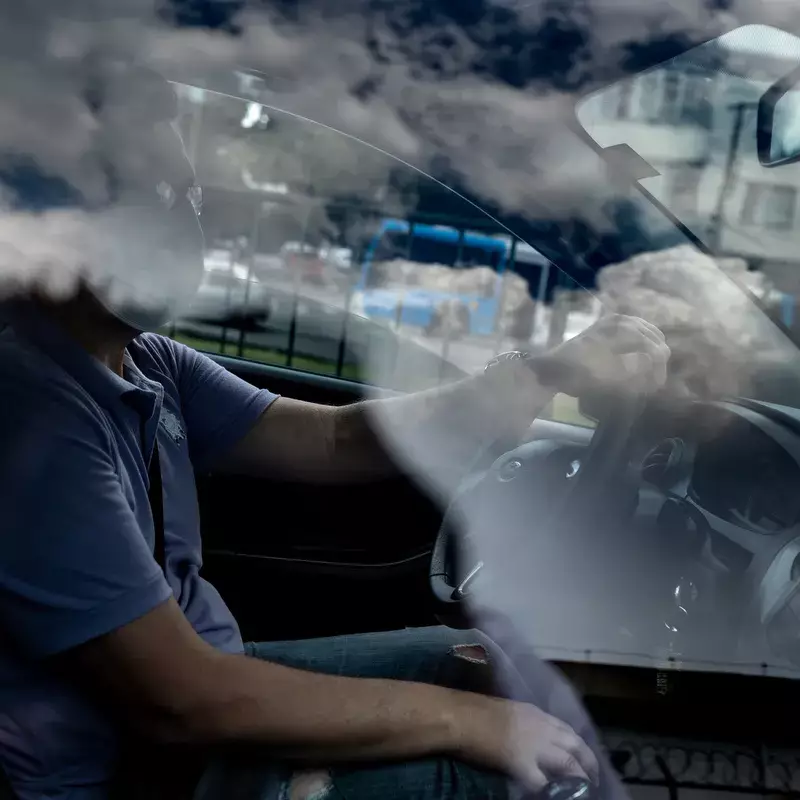
Non-Exhausting Working Hours
A non-exhausting working day is essential for the quality of life of everyone who works.
The time dedicated to work must not prevent access to rest, family life and leisure. Life beyond work is also important for the right to union and political organization and for the creation of community ties and solidarity between people.
Various rights such as limits on working hours without a reduction in pay, paid weekly rest, rest breaks, vacations, overtime pay, maternity and paternity leave, among other rights, were important achievements for workers.
Nowadays, however, even with all the technological development and the increase in labor productivity, there has been a growing trend towards long and exhausting working hours.
Systematic studies by the World Health Organization (WHO) and the International Labor Organization (ILO) have shown an increase in the number of hours spent at work. Experts from these institutions point out that this "trend puts even more people at risk of work-related disability and early death".
When working hours are long, they end up "invading" non-working time, compromising workers' health and safety.
In work on digital platforms, as numerous scientific studies have shown, this situation has proven to be serious. In the case of app-based workers, long working hours are also associated with extensive time logged in and submission to constant performance evaluations.
With the advance in the use of digital technologies in work activities, there has been an increasing blurring of the boundary between work and non-work time. This situation has put the debate on the right to disconnect and the repercussions of the continuous use of digital technologies on mental health on the agenda.
Long Working Days on Platforms
This form of labor organization and management favors the demands of the platforms, which need a workforce at their disposal to guarantee the continuity and stability of the services they offer. At the other end of this employment relationship, however, are the workers, who cannot effectively decide on the organization and prices of their own work.
For example, in search of better pay, app-based drivers and couriers find an effective way out by increasing the number of hours they work, which tends to have negative repercussions both on their family and social lives and on their physical and mental health.
On many digital platforms, factors that affect workers' pay and contribute to exhausting working hours include:
- Distribution of services using criteria that are not transparent to workers;
- Pricing done exclusively by the platforms;
- Restrictions on whether or not a task can be accepted;
- Remuneration only for the time spent performing a service and not for the total time spent at the platforms' disposal; and
- Use of rankings, promotions and bonuses to keep workers connected to the platforms.

"From the drivers' point of view [...], the impossibility of offering their own service or setting their own prices and the [platform's] control over every aspect of their interaction with passengers mean that they have little or no ability to improve their economic position through professional or entrepreneurial skills. In practice, the only way they can increase their earnings is by working longer hours while constantly meeting the [platform's] performance measures."
UK Supreme Court - Ruling on Private People Transportation Platforms
Long Working Days and Accidents on Platforms
At the end of 2022, the Brazilian Institute of Geography and Statistics (IBGE) published a comprehensive survey on teleworking and work on digital platforms.
Among the various results presented, the survey showed that digital platform drivers worked an average of 17.1% more hours than drivers who did not use these technologies. However, the pay of platform drivers was only 1.7% higher than that of non-platform workers. This indicates that the introduction of these technologies represented an increase in hours worked, accompanied by a proportional decrease in workers' incomes.
An even greater disparity appears when comparing platformized and non-platformized delivery workers.
The average monthly income of platform delivery workers in 2022 was R$1,784.00 for average working hours of 47.6 hours per week. When compared to non-platformized delivery workers, the difference in working hours, on average, was 4.8 hours more for platformized delivery workers, but with an average income that corresponded to only 80.7% of that received by non-platformized delivery workers.
The IBGE survey also indicated that digital platform workers, in their various forms, work longer hours than the usual 44 hours a week under the CLT system.
In cases where workers are incorrectly classified as self-employed, in addition to the working hours going beyond what is regulated, there is no overtime pay, a historically won right.
It is important to note that the increase in working hours can have an even more exacerbated impact on historically oppressed groups. Among women, for example, longer working hours on digital platforms add to the work of social reproduction, which means even less time for rest and leisure.
Among sectors that are markedly racialized, the historical exclusion of black workers can continue when working on digital platforms.
Research published in the Çarê-IEPS Bulletin n. 2/2023, entitled Health of the Black Population: Mortality and Motorcycle Accidentsindicates that there has been a progressive increase in the total number of traffic accidents since 2016. However, the data shows a higher incidence of accidents, hospitalizations and mortality among black motorcyclists. This would be associated with the growth of digital delivery platforms and the greater presence of black workers on them.